Don’t Make These Costly Radiator Mistakes This Winter — They Could Be Driving Up Your Heating Bills
When winter sets in and temperatures begin to drop, radiators quietly become one of the most important systems in your home. They work in the background to keep rooms warm, pipes safe from freezing, and daily life comfortable. Yet despite their importance, radiators are often overlooked until something goes wrong.
Many homeowners assume that as long as the radiator is “on,” it’s doing its job. In reality, small everyday habits and overlooked maintenance issues can seriously reduce heating efficiency, increase energy bills, and even shorten the lifespan of your system. In some cases, these mistakes can also create safety risks or lead to expensive repairs.
Understanding how radiators work — and what interferes with their performance — can make a significant difference. By avoiding common mistakes, you can keep your home warmer, improve energy efficiency, and prevent unnecessary strain on your heating system throughout the winter months.
Blocking Radiators With Furniture or Decor Is a Bigger Problem Than You Think
Radiators rely on proper airflow to distribute heat evenly throughout a room. When that airflow is restricted, the warmth they generate can’t circulate effectively. One of the most common mistakes homeowners make is placing furniture, curtains, or decorative items too close to the radiator.
Heavy sofas, cabinets, or thick curtains can trap heat behind them, preventing it from spreading into the room. As a result, the radiator has to work harder and stay on longer to reach the desired temperature. This not only leads to uneven heating — with some areas feeling warm and others remaining cold — but also increases wear and tear on the system.
Over time, this extra strain can contribute to premature radiator failure and higher utility bills. To avoid this, experts recommend keeping at least six inches of clear space around radiators to allow heat to move freely.
Covering Thermostatic Radiator Valves Can Disrupt Heating Control
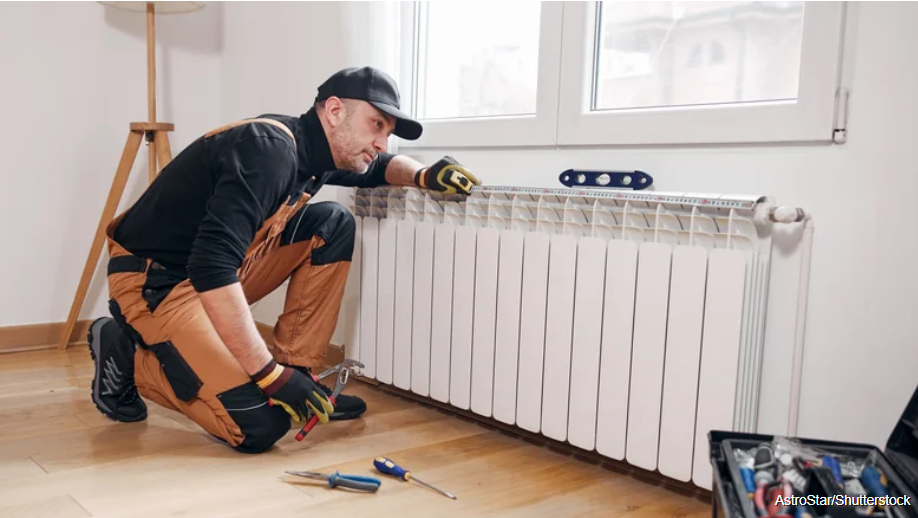
Another often-overlooked issue involves thermostatic radiator valves (TRVs). These valves regulate heat output by sensing the temperature of the surrounding air. When a TRV is blocked or exposed to a nearby heat source, it can no longer read the room temperature accurately.
Placing lamps, electronics, or other warm objects near a TRV can trick the valve into thinking the room is warmer than it actually is. This may cause the radiator to shut off too early, leaving the room feeling chilly. In other cases, the system may run longer than necessary, wasting energy.
Keeping the area around the valve clear ensures accurate temperature regulation and more consistent heating throughout your home.
Turning the Thermostat Up Isn’t Always the Solution
When a room feels cold, the instinctive reaction is often to crank up the thermostat. While this may provide short-term comfort, it’s rarely the most efficient solution and can lead to higher energy costs.
If your radiator isn’t heating properly, increasing the thermostat setting won’t fix underlying issues like trapped air, dust buildup, or poor heat circulation. Instead, it forces the system to work harder, placing extra stress on pipes, valves, and seals.
A better approach is to identify why the radiator isn’t performing as expected. Installing a programmable or smart thermostat can also help regulate heating more efficiently by adjusting temperatures based on usage patterns rather than constant manual changes.
Neglecting Regular Cleaning Reduces Heating Efficiency
Radiators may not look dirty at first glance, but they can collect a surprising amount of dust over time. Dust buildup inside vents and between panels acts as insulation, preventing heat from escaping into the room.
When radiators aren’t cleaned regularly, they become less effective, meaning you’ll need more energy to maintain the same level of warmth. This leads directly to higher heating bills and reduced comfort.
Cleaning radiators a few times during the heating season — especially before winter begins — helps ensure optimal heat output and better air quality inside your home.
Failing to Bleed Your Radiators Can Leave Rooms Cold
Air trapped inside a radiator is one of the most common causes of uneven heating. When air collects at the top of the unit, it blocks hot water from circulating properly. This often results in radiators that are warm at the bottom but cold at the top.
Bleeding a radiator releases trapped air, allowing hot water to flow freely again. This simple maintenance task can dramatically improve heating efficiency and reduce energy consumption.
Homeowners should check radiators at the start of winter and bleed them whenever they notice uneven heat distribution or unusual noises.
Ignoring Early Warning Signs Can Lead to Expensive Repairs
Small issues such as rattling noises, slow heating, cold spots, or minor leaks are often dismissed as normal. However, these can be early indicators of more serious problems like internal corrosion, pressure imbalances, or failing valves.
Addressing these warning signs early can prevent costly repairs or full radiator replacement later. Regular inspections and prompt attention to changes in performance help extend the life of your heating system.
How to Keep Your Radiators Working Efficiently All Winter
Avoiding radiator mistakes doesn’t require major renovations or expensive upgrades. Simple habits can make a big difference:
- Keep furniture and curtains away from radiators
- Ensure thermostatic valves are unobstructed
- Clean radiators regularly to remove dust buildup
- Bleed radiators when air becomes trapped
- Use programmable thermostats to manage heating efficiently
- Address performance issues early instead of compensating with higher temperatures
Radiators may be quiet and easy to ignore, but they play a vital role in winter comfort. Treating them with proper care and attention can help keep your home warm, safe, and energy-efficient — without unnecessary strain on your budget.