In 2025, Tech Giants Are Betting Big on Smart Glasses — But History Suggests the Hype Alone Won’t Guarantee Success
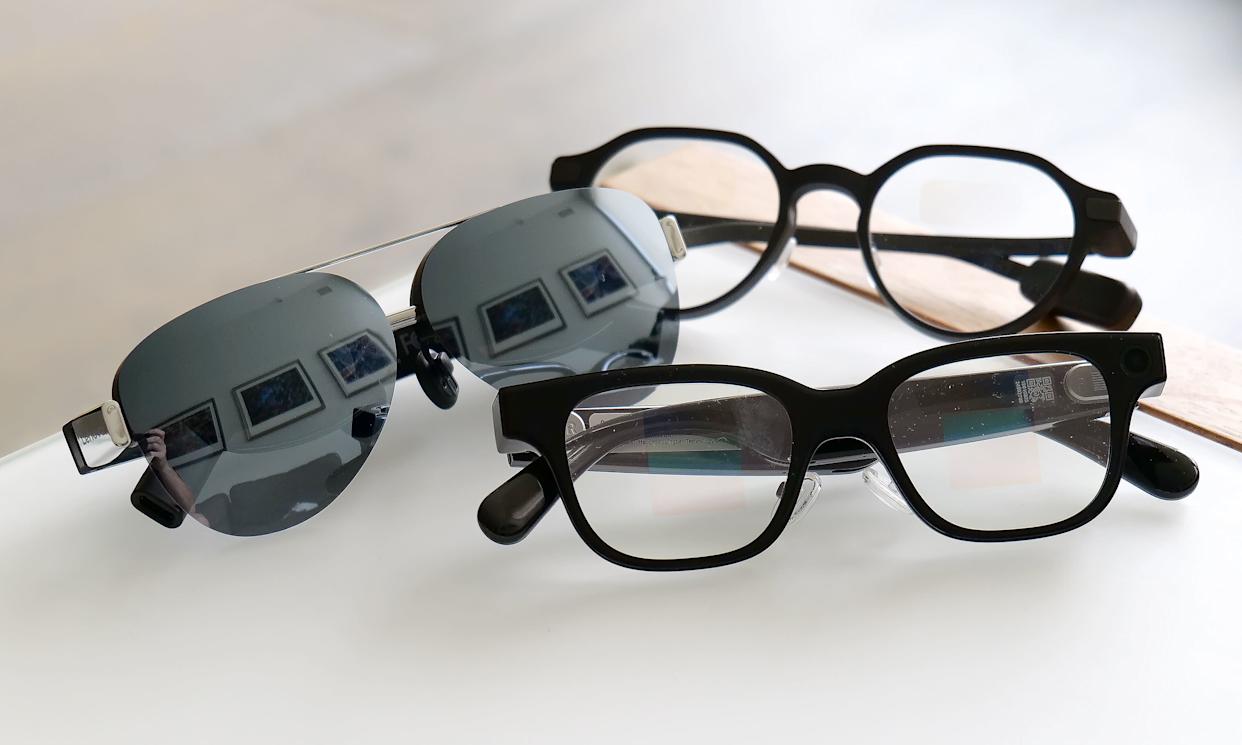
If you’ve been following consumer technology for the past decade, you might have noticed a recurring complaint: gadgets feel less exciting than they used to. While technology continues to improve at a rapid pace, truly new device categories that reshape everyday life have been rare since the smartphone revolution.
Since the launch of the original iPhone, companies have experimented relentlessly. Some ideas promised to change everything. Most quietly disappeared.
3D televisions were supposed to redefine home entertainment but collapsed almost overnight. Tablets, despite years of refinement, still struggle to escape the perception that they’re just oversized phones. Virtual reality headsets have advanced dramatically, yet high costs, physical bulk, and limited must-have content keep them stuck on the fringes of mainstream adoption. Even the recent wave of AI-focused hardware failed to ignite consumer enthusiasm, despite massive investment from some of the world’s biggest tech companies.
Against this backdrop, only one new category has truly broken through: smartwatches. But even they evolved into something more modest than originally envisioned. Instead of becoming wrist-mounted computers, they found success primarily as health and fitness trackers—useful, yes, but not life-altering in the way smartphones were.
Now, in 2025, tech giants appear convinced that the next major leap won’t sit in your pocket or on your wrist. Instead, it will sit on your face.
Smart glasses, they believe, are the future of personal computing. The question is whether consumers will agree.
Smart Glasses vs. Headsets: Why They Aren’t the Same Thing
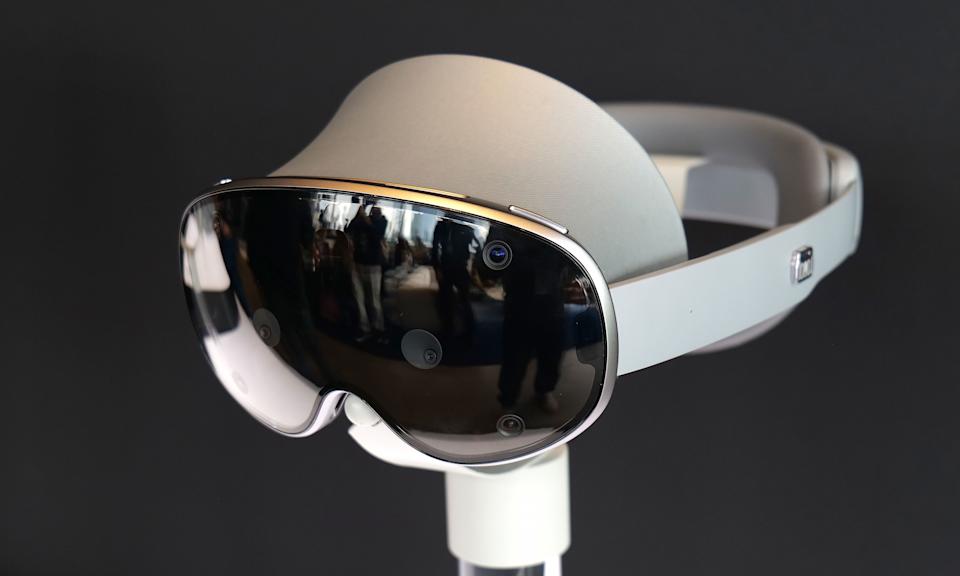
At first glance, smart glasses and VR headsets may seem like variations of the same idea. Both rely on displays, sensors, cameras, and advanced software. But in practice, they serve fundamentally different purposes.
Virtual reality headsets are designed to replace your surroundings. They are large, heavy, and intentionally immersive. When you put one on, you step into a closed digital environment built for gaming, virtual meetings, simulations, or creative work. Even with mixed-reality features and passthrough cameras, the experience remains isolating by design. That separation is what makes VR effective—but also what limits its everyday use.
Smart glasses take the opposite approach. Rather than blocking out the world, they aim to enhance it.
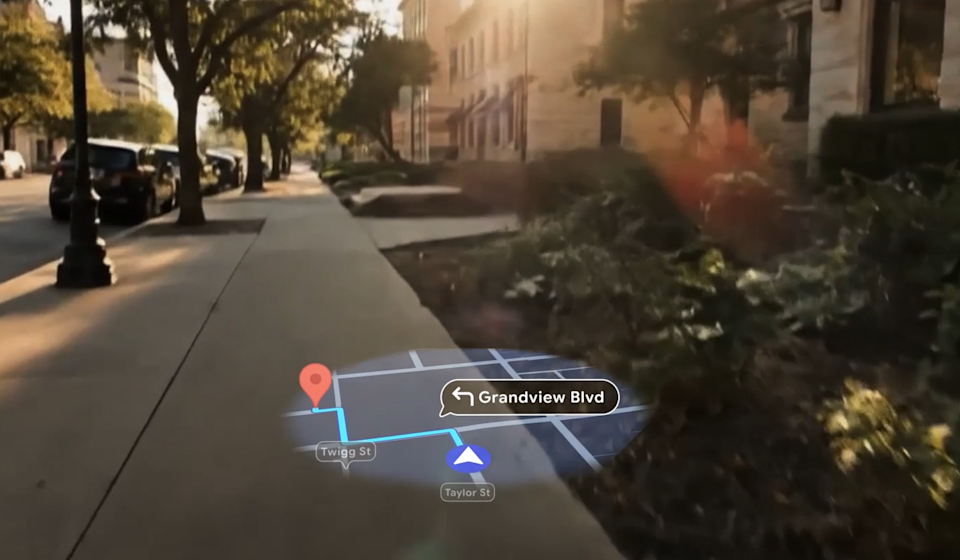
These devices are built to overlay information onto your real surroundings while keeping you fully aware of what’s happening around you. Notifications, navigation prompts, translations, reminders, and contextual data appear directly in your line of sight. You remain present, mobile, and engaged with the physical world.
This distinction is critical. Smart glasses are not trying to transport you somewhere else. They are trying to make daily life more efficient without demanding your full attention.
Why Tech Giants Are Suddenly All-In on Smart Glasses
The clearest sign that smart glasses matter isn’t speculation—it’s participation. A growing number of companies are actively building or preparing to launch their own versions.
Meta was among the first to test the waters with Ray-Ban Stories, which avoided built-in displays entirely. Instead, they focused on audio, cameras, and voice interaction. While limited, those glasses helped normalize the idea of technology embedded in everyday eyewear.
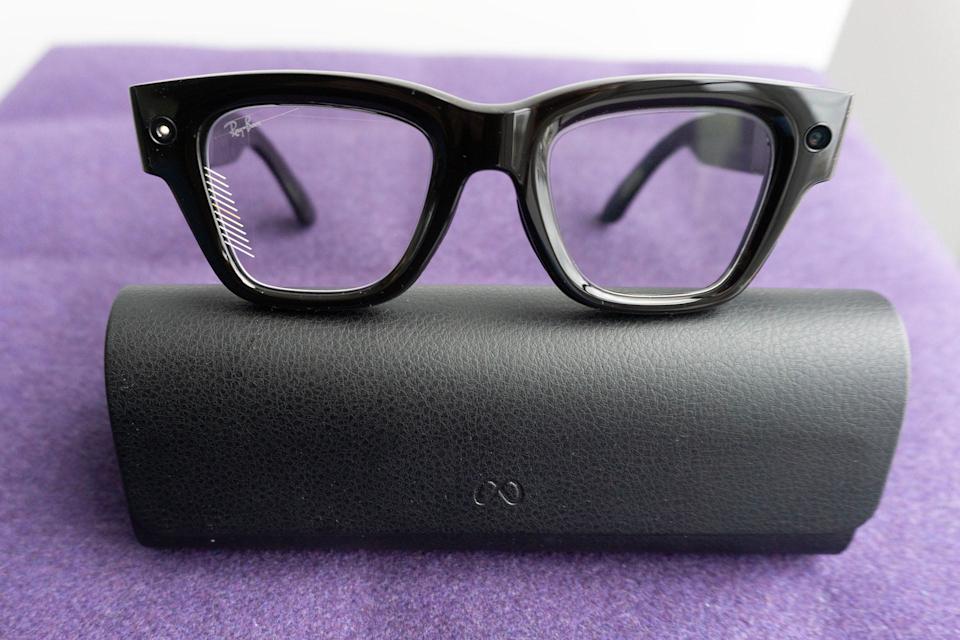
More recent models, like the Meta Ray-Ban Display, move the concept forward with integrated heads-up displays. Importantly, these devices don’t look futuristic or awkward. They resemble normal glasses—an essential factor for widespread adoption.
But Meta isn’t alone.
Companies like Even Realities, TCL, Xreal, Viture, Rokkid, and others are pushing smart glasses in multiple directions, experimenting with display technologies, form factors, and use cases.
Perhaps more telling is what Apple and Google are doing.
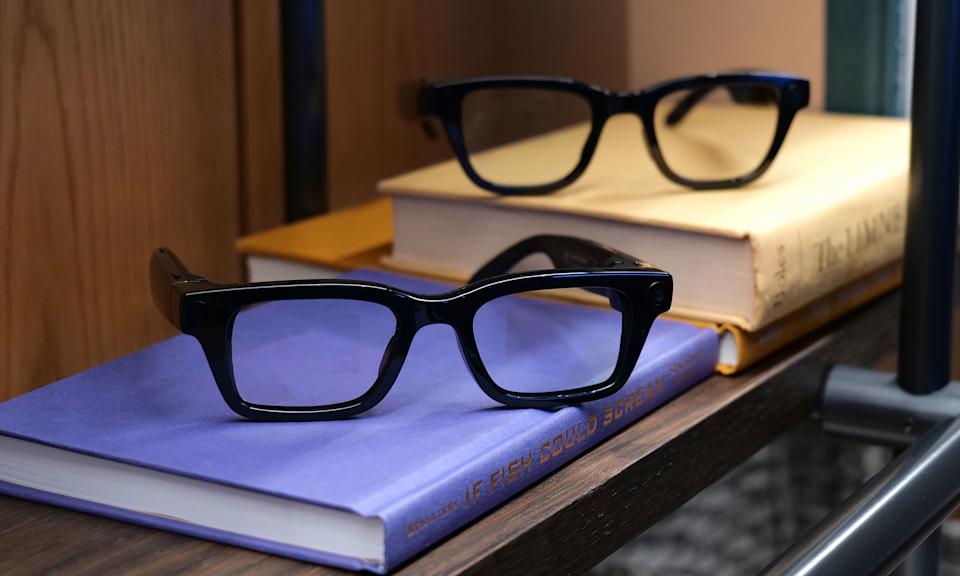
Apple, famously cautious about entering new product categories, appears to be shifting its strategy. Reports from trusted industry analysts suggest the company is moving away from developing a direct successor to the Vision Pro headset and instead focusing on lightweight smart glasses with broader appeal. Given the Vision Pro’s high price and limited adoption, this pivot suggests Apple believes the future lies in glasses, not goggles.
Google, meanwhile, is taking a multi-front approach. Alongside launching Android XR for mixed-reality headsets, it has teased smart glasses developed with fashion-forward partners like Gentle Monster and Warby Parker. The company has also invested heavily in developer tools, making it easier to adapt existing apps for glasses. A recent $100 million investment in Gentle Monster further underscores Google’s long-term commitment.
For companies operating at this scale, the motivation is clear: smart glasses could become the next core computing platform.
The Trillion-Dollar Bet Behind the Frames
Tech giants aren’t chasing smart glasses because they’re trendy. They’re chasing them because the payoff could be enormous.
If smart glasses replace or meaningfully reduce reliance on smartphones, laptops, or even some wearables, the companies that control that platform stand to dominate personal computing for decades. Conversely, missing this shift could be existential. Just ask Microsoft, which failed to secure a meaningful place in the smartphone era.
From this perspective, smart glasses are less about fashion or novelty and more about survival.
Why Consumers Might Actually Want Smart Glasses
So far, the case for smart glasses has mostly been about corporate strategy. But adoption ultimately depends on whether regular people find them useful.
Today’s smart glasses generally fall into three categories.
1. Glasses Without Displays
These early models rely on cameras, microphones, and speakers rather than visual output. While they helped introduce the idea of smart eyewear, their limited capabilities make them feel transitional. If this was all consumers wanted, the category would already be thriving.
2. Glasses With Integrated Displays
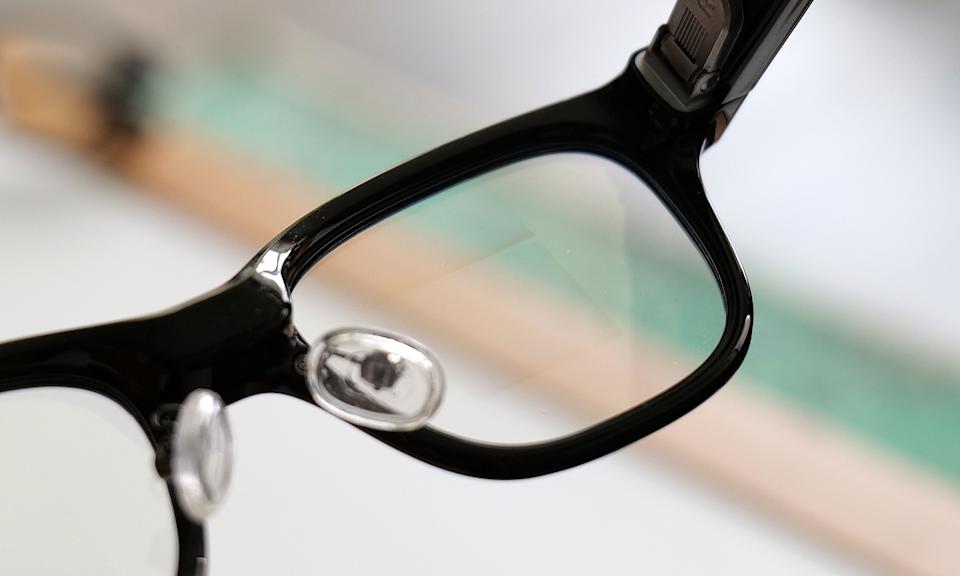
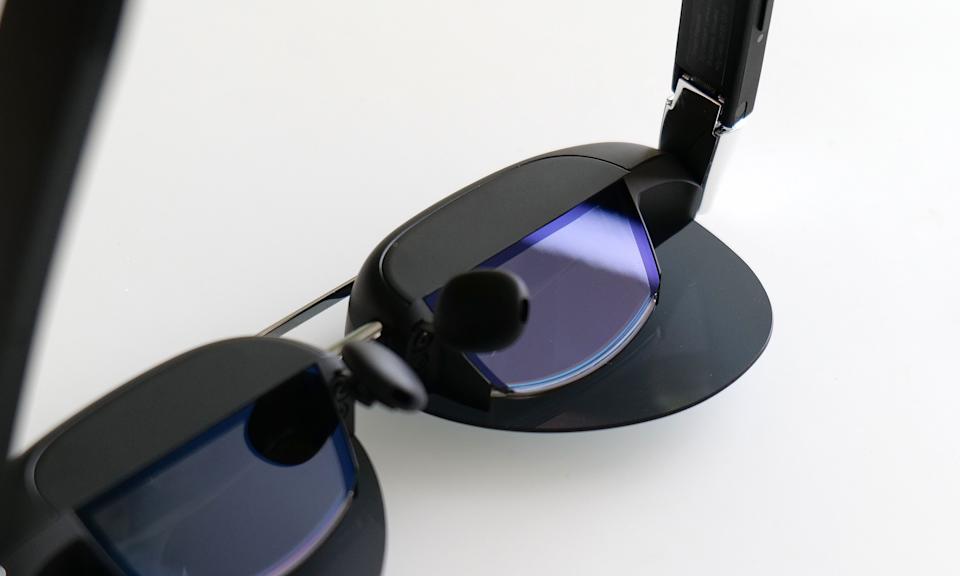
This is where momentum is building. Using waveguide technology, these glasses project simple visuals directly into the lens. Early versions focus on minimal information—notifications, directions, short messages—to reduce distraction and preserve battery life.
Surprisingly, having information in your line of sight can reduce screen addiction. Instead of pulling out a phone, you glance briefly at relevant data and stay engaged with the people around you.
Add features like real-time translation, discreet teleprompters, AI assistance, and hands-free navigation, and the appeal becomes clearer. These glasses don’t demand attention—they offer it when needed.
3. Wearable Displays for Productivity and Entertainment
A third category focuses on turning glasses into portable monitors. Companies like Xreal and Viture offer glasses that create massive virtual screens for work or gaming. These are particularly appealing for travelers, remote workers, and gamers who want privacy and portability.
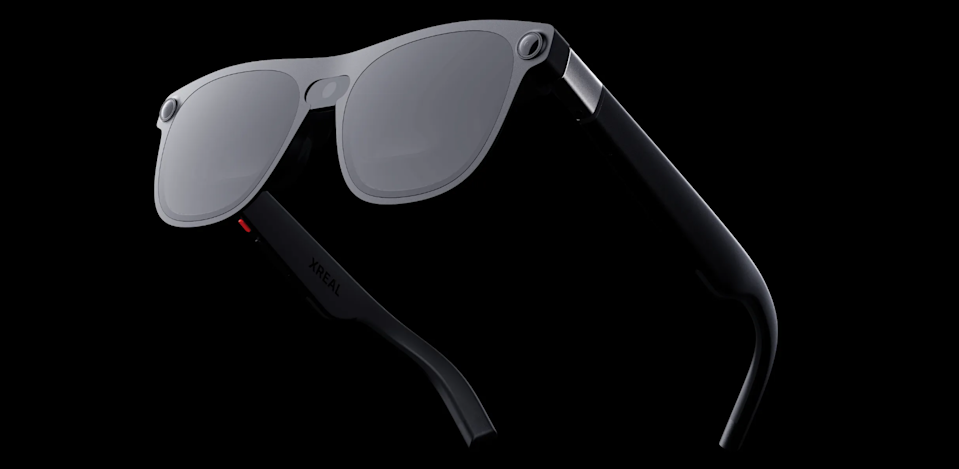
However, compromises remain. Bulkier frames, darker lenses, wired connections, and limited all-day usability keep these products from being true everyday wear.
The Technical and Practical Obstacles Still Ahead
Despite growing enthusiasm, smart glasses face serious challenges.
Interaction remains one of the biggest. Without keyboards or mice, controlling digital content is difficult. Eye tracking, hand gestures, voice commands, and wearable accessories like rings or wristbands help—but none are perfect.
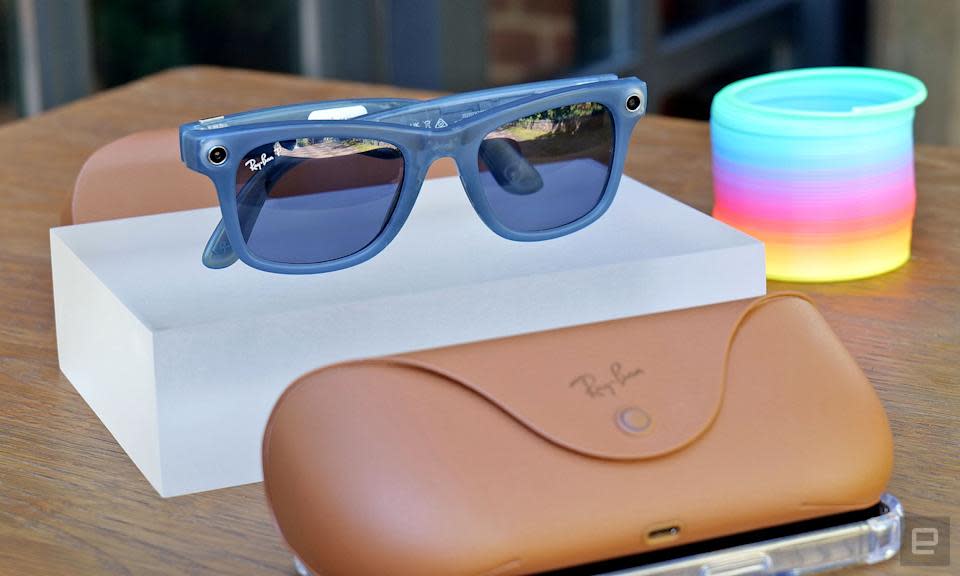
Cost is another barrier. Prices ranging from $400 to $850 put smart glasses firmly in early-adopter territory. Prescription lenses add complexity and expense, further limiting accessibility.
Platform lock-in is also a concern. Glasses tied too closely to a single ecosystem may struggle once competitors offer more open alternatives.
And then there’s comfort, battery life, privacy concerns, and social acceptance—problems that can’t be solved with silicon alone.
So Where Does This All Lead?
In the long run, it’s likely that today’s fragmented approaches will converge. Future smart glasses may combine discreet displays, audio, health tracking, AI assistance, and productivity tools into a single, lightweight device.

If that happens, smart glasses could become the final piece of the modern tech kit—complementing smartphones, wireless audio, and wearables rather than replacing them outright.
Still, history offers a cautionary lesson. Tech giants have been wrong before. Massive investment does not guarantee mass adoption.
Smart glasses may become the next smartphone—or they may join the long list of ambitious ideas that never quite fit into daily life.
Either way, if you care about the future of technology, this is a space worth watching. Because if smart glasses succeed, they won’t just change how we use devices—they’ll change how we see the world.